Celestial Observatory · 2026 Edition
Discover the night sky — eclipses, meteor showers, constellations & the darkest places on Earth
An independent, editorially curated astronomy guide. Track the 2026 total solar eclipse over Spain and Iceland, plan the best Perseids in years, learn the constellations, and find world-class dark-sky reserves.
Curated observatories & reserves
Featured Dark-Sky Destinations
Eight of the world’s most celebrated places to see the stars — compared by sky quality (SQM), Bortle class, latitude and visitor experience. Results filter instantly as you search above.
Tonight’s sky
Moon Phase & Observing Conditions
The Moon is the single biggest factor for deep-sky observing. Our widget calculates the current phase in your browser — no tracking, no data sent.
Five checks before you step outside
- Cloud cover: look for less than 20% cloud on a satellite-based forecast.
- Transparency: dry, clear air after a cold front reveals the faintest stars.
- Seeing: steady air (little twinkling) is best for planets and the Moon.
- Light pollution: every step down the Bortle scale adds hundreds of visible stars.
- Dark adaptation: allow 20–30 minutes and use only dim red light.
Observation timeline
Upcoming Astronomy Events
Each circular module shows the date and our visibility score — how easy and widely observable the event is for the average skywatcher.
Seasonal sky wheel
What’s Up Each Season
Select a segment of the wheel to see the highlights for both hemispheres.
Constellation panels
Learn the Star Patterns
Interactive cards draw each constellation as you scroll. Open a card for mythology, brightest stars, visibility and finding instructions.
Editorial highlights
Guides for Every Stargazer
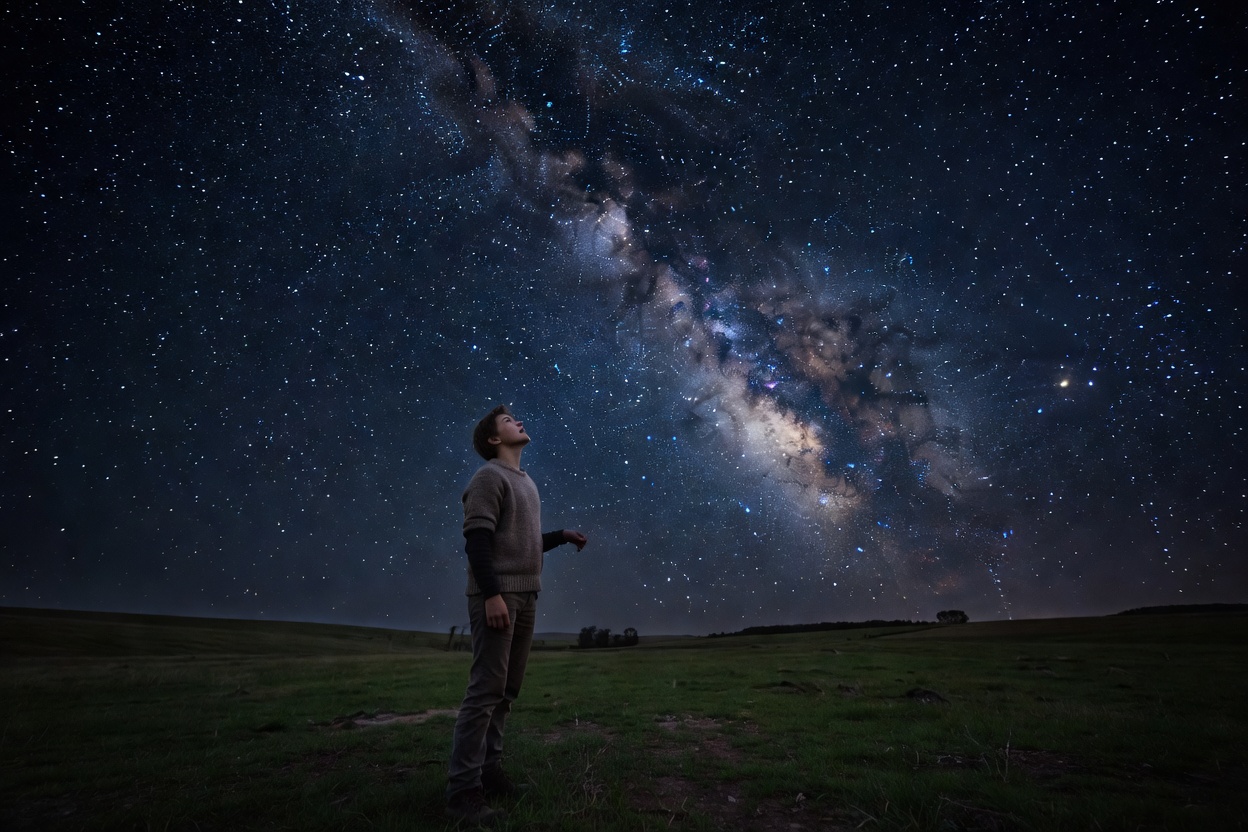
Start here
Beginner Astronomy: Your First Clear Night
How to read a star chart, find the North Star or Southern Cross, and why binoculars beat a cheap telescope.
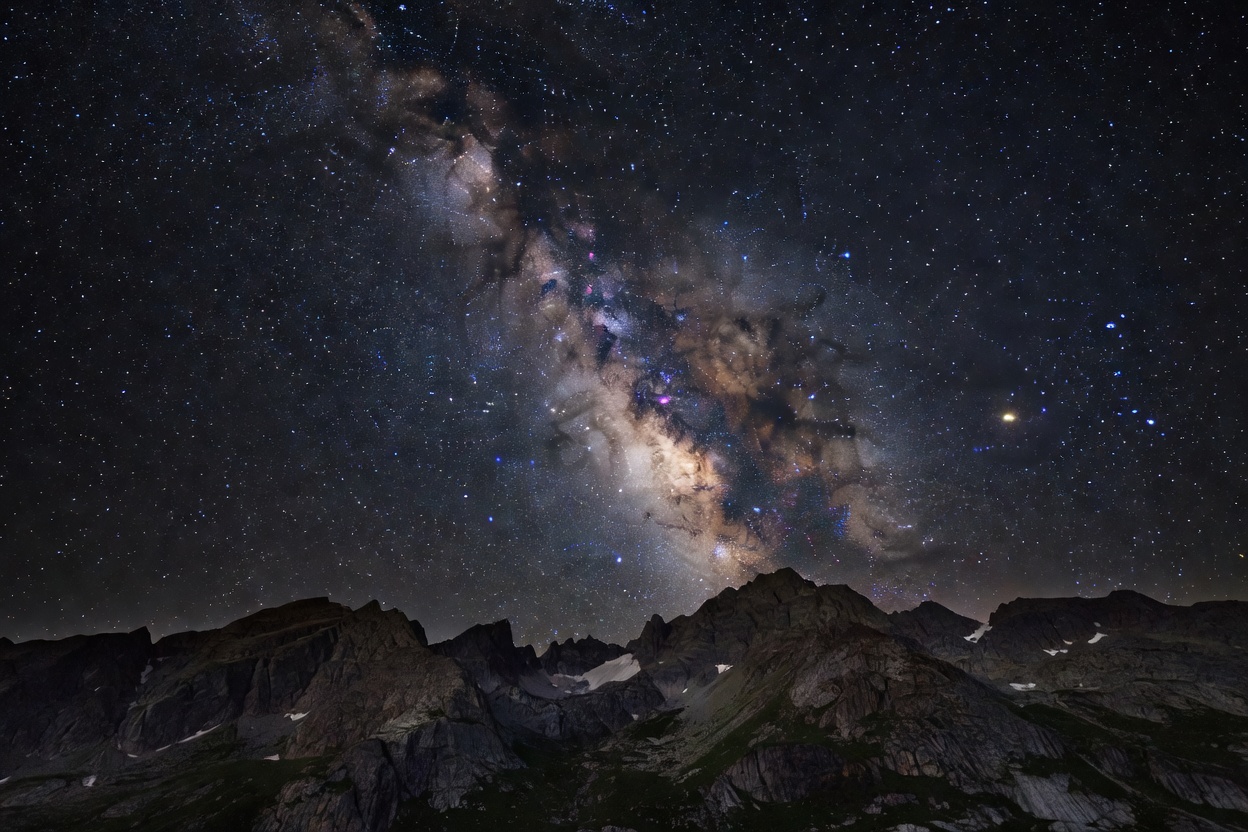
Camera basics
Astrophotography: The 500 Rule & Beyond
Settings for the Milky Way, star trails, the Moon and meteor showers with a camera or smartphone.

Protect the dark
Light Pollution & the Bortle Scale
Understand sky brightness, SQM readings, and how to find darker skies near you.
Quick answers
Night Sky FAQ
When is the next total solar eclipse visible from Europe?
On 12 August 2026 the Moon’s shadow crosses eastern Greenland, western Iceland and northern Spain, with up to about 2 minutes 18 seconds of totality. Most of Europe sees a partial eclipse. Use certified eclipse glasses for all partial phases.
Why are the 2026 Perseids special?
The Perseid peak on the night of 12–13 August 2026 coincides with new Moon, so the sky is completely dark — ideal for seeing the fainter meteors as well as bright fireballs.
Can I see planets without a telescope?
Yes. Mercury, Venus, Mars, Jupiter and Saturn are all visible to the naked eye at the right times. They usually shine steadily rather than twinkling and lie along the ecliptic — the Sun’s apparent path.
What does an SQM reading mean?
A Sky Quality Meter measures sky brightness in magnitudes per square arcsecond. Higher numbers mean darker skies: city centres read around 17–18, rural areas 20–21, and the darkest places on Earth around 21.8–22.0.
Plan your next clear night
Find a Sky Darker Than You’ve Ever Seen
Compare sky quality, best seasons and nearby highlights for our curated dark-sky destinations.
Browse all destinations