Best time to view craters
Not at full Moon! Craters and mountains stand out along the terminator — the line between day and night — where shadows are long. First and last quarter are ideal.
The complete reference
Everything you need to understand and explore the sky above you — from tonight’s Moon to the total solar eclipse of 12 August 2026, explained clearly for beginners and seasoned observers alike.
Observation timeline
Dates, visibility regions, viewing times (UTC unless stated), what to look for and how to observe. Times are approximate — confirm local circumstances with a planetarium app or national observatory.
Constellation panels
The sky is officially divided into 88 constellations by the International Astronomical Union. Start with these eight landmark patterns — they act as signposts to everything else.
Earth’s companion
The Moon completes its cycle of phases every 29.5 days (the synodic month). Phases occur because we see different portions of its sunlit half as it orbits Earth — not because of Earth’s shadow.
Not at full Moon! Craters and mountains stand out along the terminator — the line between day and night — where shadows are long. First and last quarter are ideal.
A few days either side of new Moon, the dark part of the crescent glows faintly. This is sunlight reflected from Earth onto the Moon — a beautiful binocular sight.
The Moon looks huge near the horizon, but this is a perception effect. Measured with a camera, it is actually very slightly smaller when low than when overhead.
Wandering stars
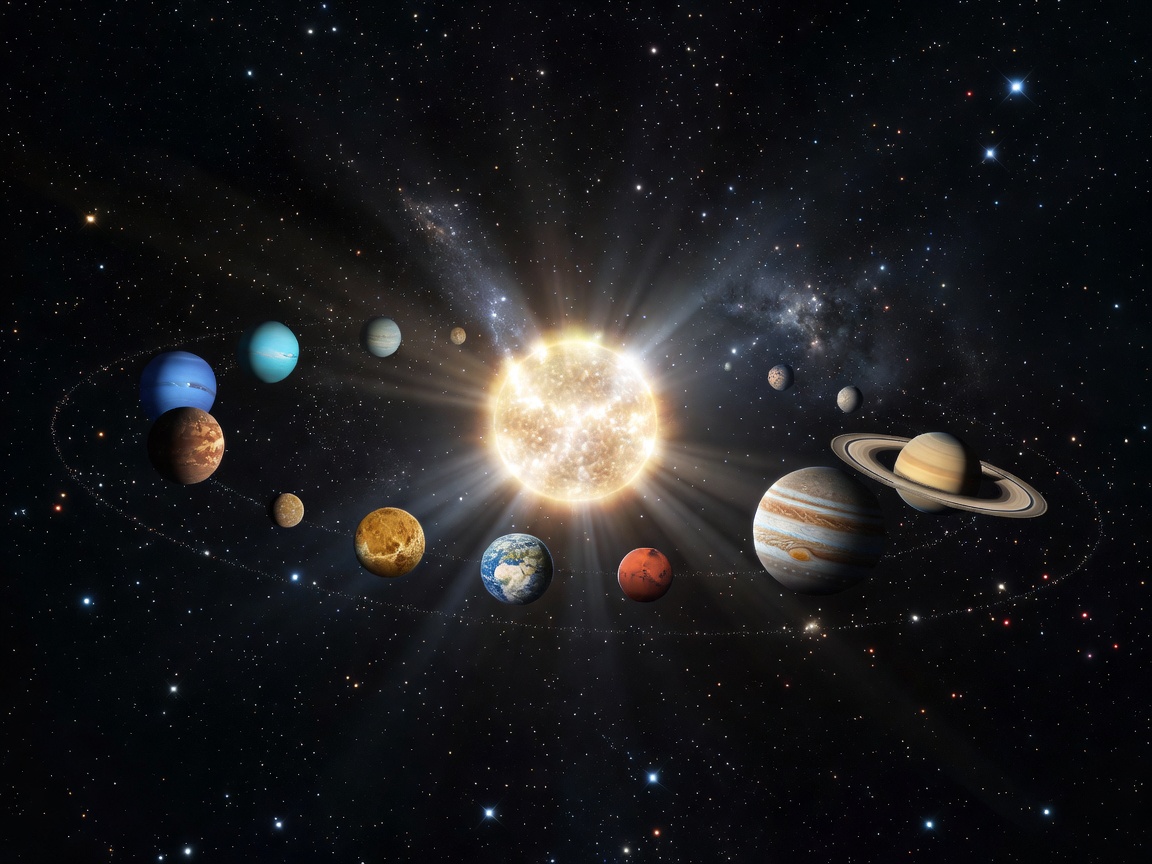
Five planets are visible to the naked eye. They lie along the ecliptic and usually shine with a steady light rather than twinkling.
Shadow play
Occur at new Moon when the Moon passes directly between the Sun and Earth. A total eclipse reveals the solar corona; an annular eclipse leaves a “ring of fire” because the Moon is farther away and appears smaller; a partial eclipse takes a bite from the Sun.
Safety: only certified ISO 12312-2 eclipse glasses, solar viewers or properly fitted solar filters are safe. Sunglasses are not. Remove protection only during the brief moments of totality.
Happen at full Moon when the Moon passes through Earth’s shadow. During totality, sunlight bent through Earth’s atmosphere tints the Moon red — every sunrise and sunset on Earth projected onto the lunar surface. They are completely safe to view and visible from the entire night side of Earth.
2026 offers a total lunar eclipse on 3 March and a deep partial eclipse on 28 August.
Shooting stars
Meteor showers occur when Earth passes through debris left by comets (or, for the Geminids, an asteroid). Grains the size of sand burn up around 80–120 km above us.
| Shower | Peak 2026 | ZHR (approx.) | Parent body | Moon |
|---|---|---|---|---|
| Quadrantids | 3–4 Jan | 80–120 | Asteroid 2003 EH1 | Full — poor |
| Lyrids | 22–23 Apr | 18 | Comet Thatcher | Sets ~midnight — fair |
| Eta Aquariids | 5–6 May | 50 (south) | Comet 1P/Halley | Waning gibbous — poor |
| Perseids | 12–13 Aug | 100 | Comet 109P/Swift–Tuttle | New — excellent |
| Orionids | 21–22 Oct | 20 | Comet 1P/Halley | Waxing — fair |
| Geminids | 13–14 Dec | 120–150 | Asteroid 3200 Phaethon | Thin crescent — excellent |
Comets are icy bodies that develop glowing comas and tails near the Sun. Bright naked-eye comets are unpredictable — most are discovered only months before they peak. Follow announcements from the Minor Planet Center and national observatories for new arrivals.
Northern & southern lights
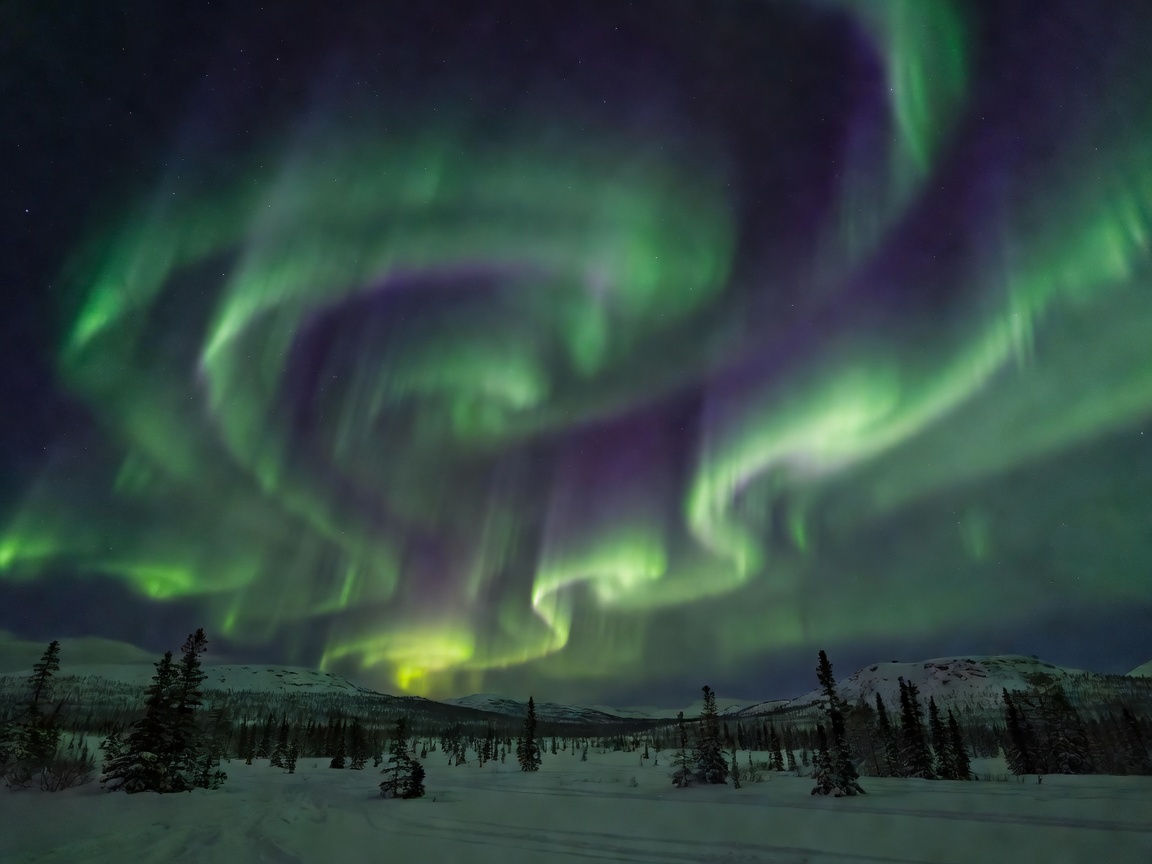
Auroras form when charged particles from the Sun collide with oxygen and nitrogen in the upper atmosphere, producing green (oxygen, ~100–250 km), red (high-altitude oxygen) and purple-blue (nitrogen) light.
Human-made lights
The ISS is the brightest satellite, often outshining every star. It moves steadily across the sky in a few minutes without blinking. Passes are visible shortly after dusk or before dawn when the station is sunlit but your sky is dark.
Large communication constellations launch satellites in lines that appear as “trains” soon after deployment. They are fascinating to see but increasingly affect astronomical imaging — a growing area of dark-sky advocacy.
NASA’s Artemis programme aims to return astronauts to the Moon’s vicinity, while observatories like the James Webb Space Telescope continue reshaping our view of early galaxies and exoplanet atmospheres. Check agency websites for current launch schedules.
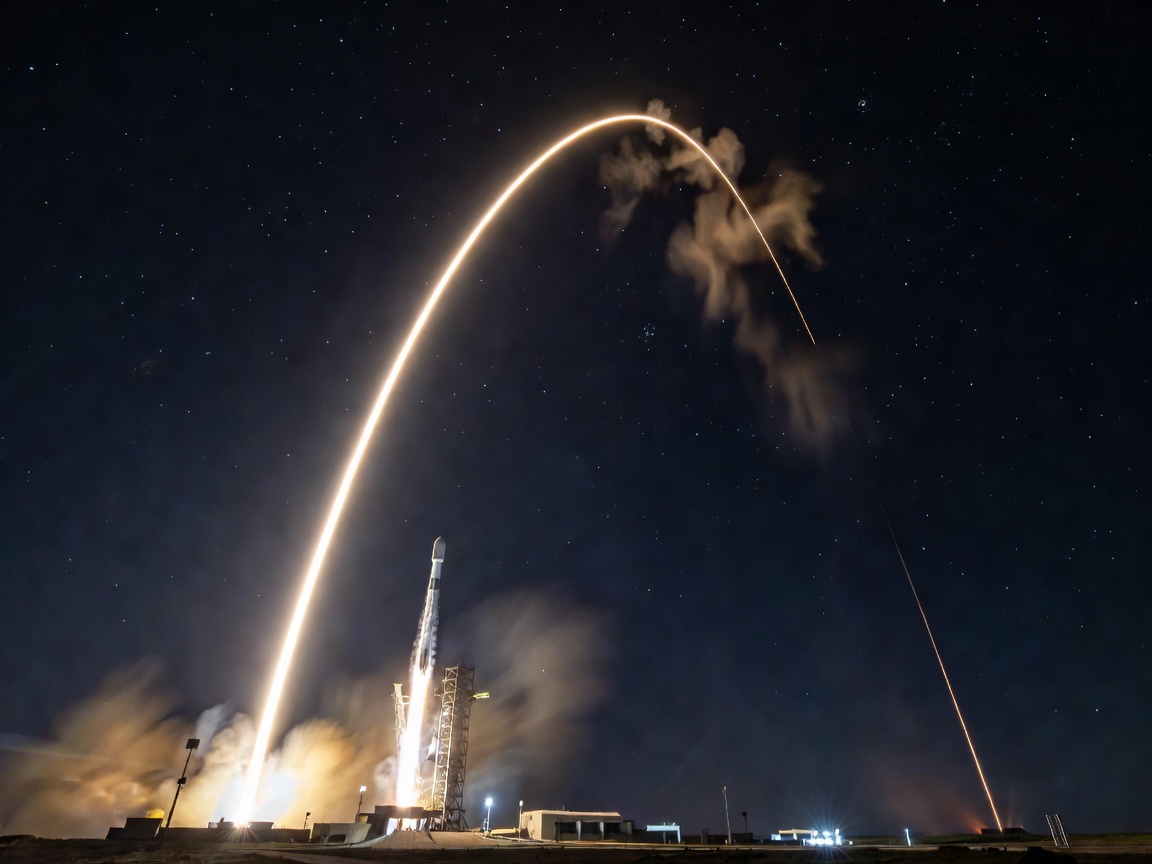
Night launches can be seen hundreds of kilometres away. Twilight launches sometimes create glowing “jellyfish” plumes when exhaust is lit by the Sun high above a darkened ground — one of the most striking sights in modern skywatching.
Beyond the solar system
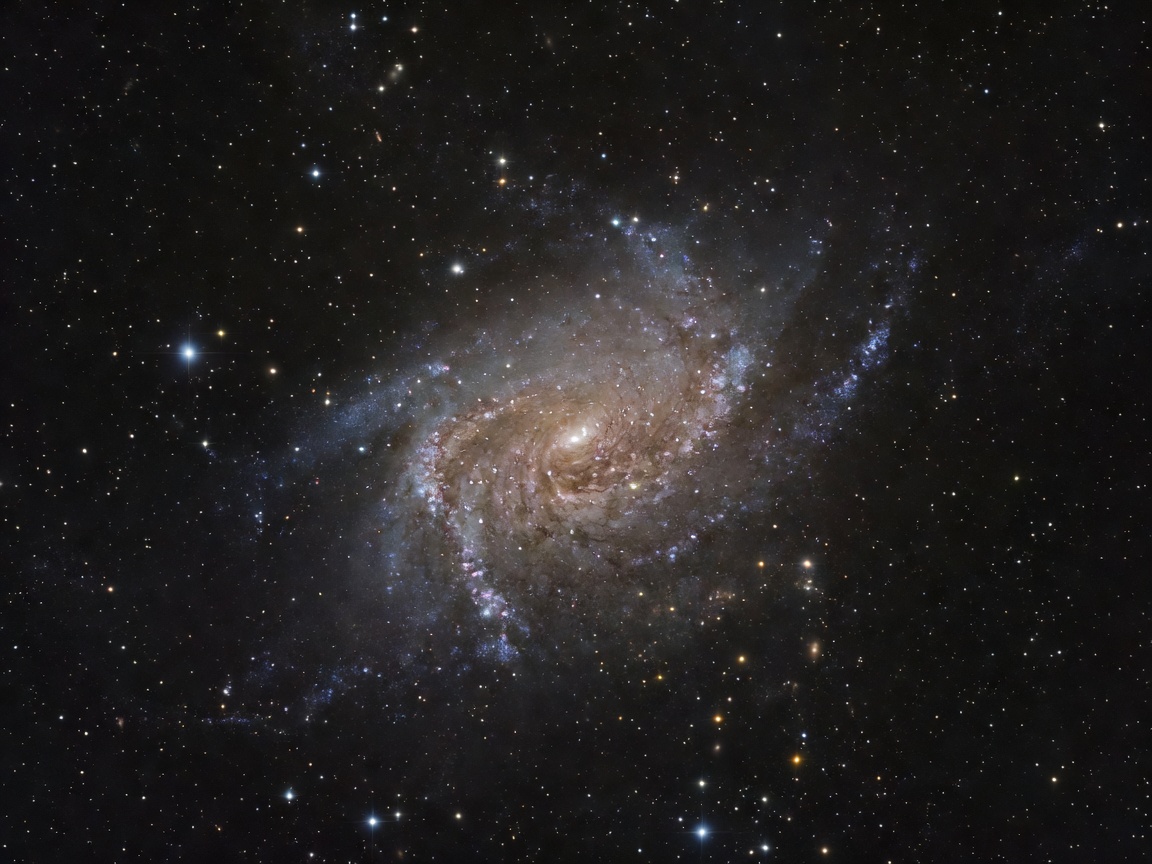
About 2.5 million light-years away — the most distant object easily visible to the naked eye. Best in northern autumn.
A stellar nursery about 1,300 light-years away, visible as a misty patch in Orion’s sword.
The “Seven Sisters”, a young blue star cluster in Taurus about 440 light-years away. Stunning in binoculars.
Two satellite galaxies of the Milky Way, visible as detached cloud-like patches from the Southern Hemisphere.
A star’s colour reveals its surface temperature. Red Betelgeuse and Antares are relatively cool (around 3,500 K); yellow stars like the Sun sit near 5,800 K; blue-white Rigel and Vega exceed 9,000 K. Binoculars, slightly defocused, make the colours easier to see.
Stargazing conditions
More than 80% of the world’s population lives under light-polluted skies. Knowing your Bortle class helps set expectations and choose targets.
| Class | Description | Typical SQM | What you see |
|---|---|---|---|
| 1 | Excellent dark site | 21.7–22.0 | Zodiacal light, gegenschein, Milky Way casts shadows |
| 2 | Typical truly dark site | 21.5–21.7 | Detailed Milky Way structure; M33 visible to the eye |
| 3 | Rural sky | 21.3–21.5 | Milky Way still impressive; some horizon glow |
| 4 | Rural/suburban transition | 20.4–21.3 | Milky Way visible but lacking detail overhead |
| 5–6 | Suburban sky | 19.1–20.4 | Milky Way faint or invisible; bright clusters only |
| 7–9 | Bright suburban to inner city | < 19.1 | Only bright stars, planets and the Moon |
Seeing is the steadiness of the air (affects planets); transparency is its clarity (affects faint objects). A night can have excellent transparency but poor seeing, and vice versa.
Use fully shielded, warm-coloured (≤ 3000 K) outdoor lights pointed downward, on timers or motion sensors. It saves energy and helps wildlife as well as astronomers.
Use a light-pollution map to find spots one or two Bortle classes darker within driving distance, or visit a certified dark-sky destination.
Start here
Optics basics
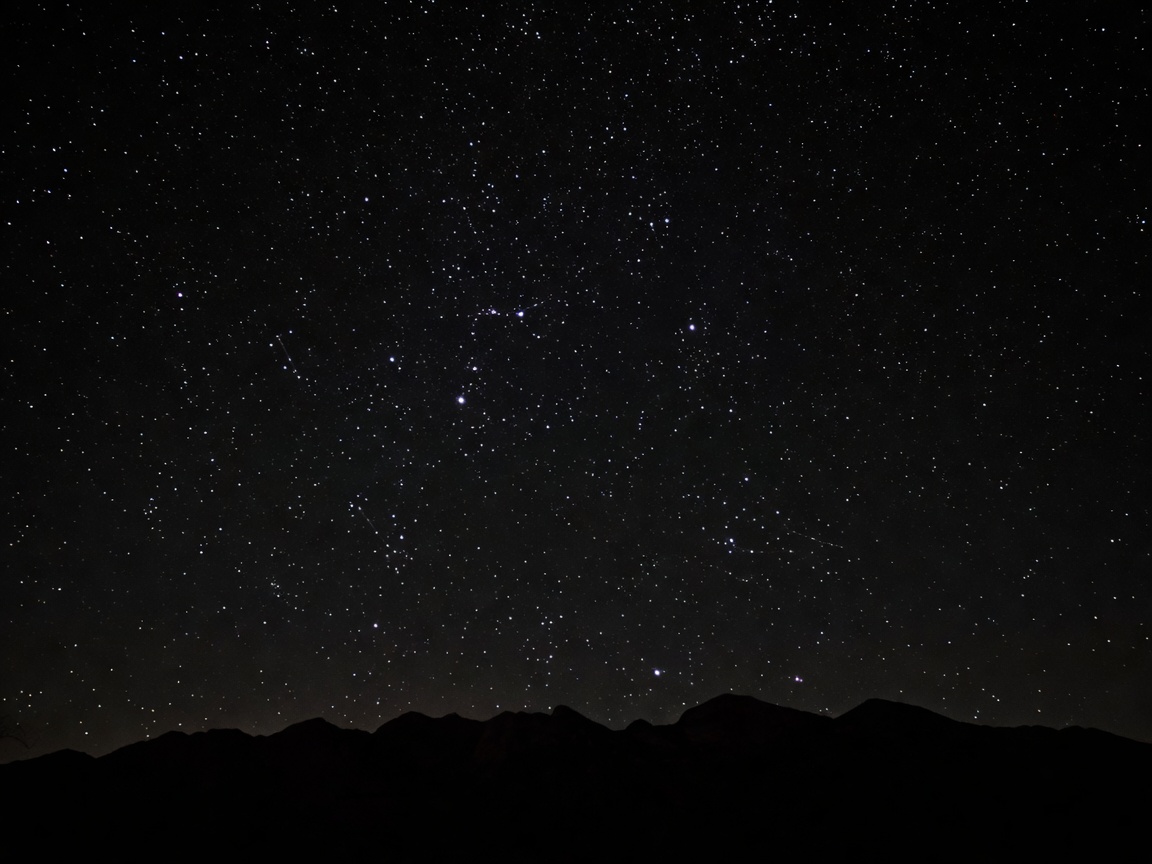
Aperture — the diameter of the main lens or mirror — matters most. Magnification is secondary and limited by the atmosphere.
“10×50” means 10× magnification and 50 mm lenses. Wide views, instant setup, ideal for the Moon, clusters and the Milky Way.
Lens-based, sealed and low-maintenance. Sharp, high-contrast views of the Moon, planets and double stars.
Mirror-based on a simple rocker mount. The best aperture for your money — 150–200 mm reveals galaxies and nebulae.
Schmidt-Cassegrain and Maksutov designs fold long focal lengths into compact tubes; popular for planets and imaging.
Capture the cosmos
| Target | Starter settings |
|---|---|
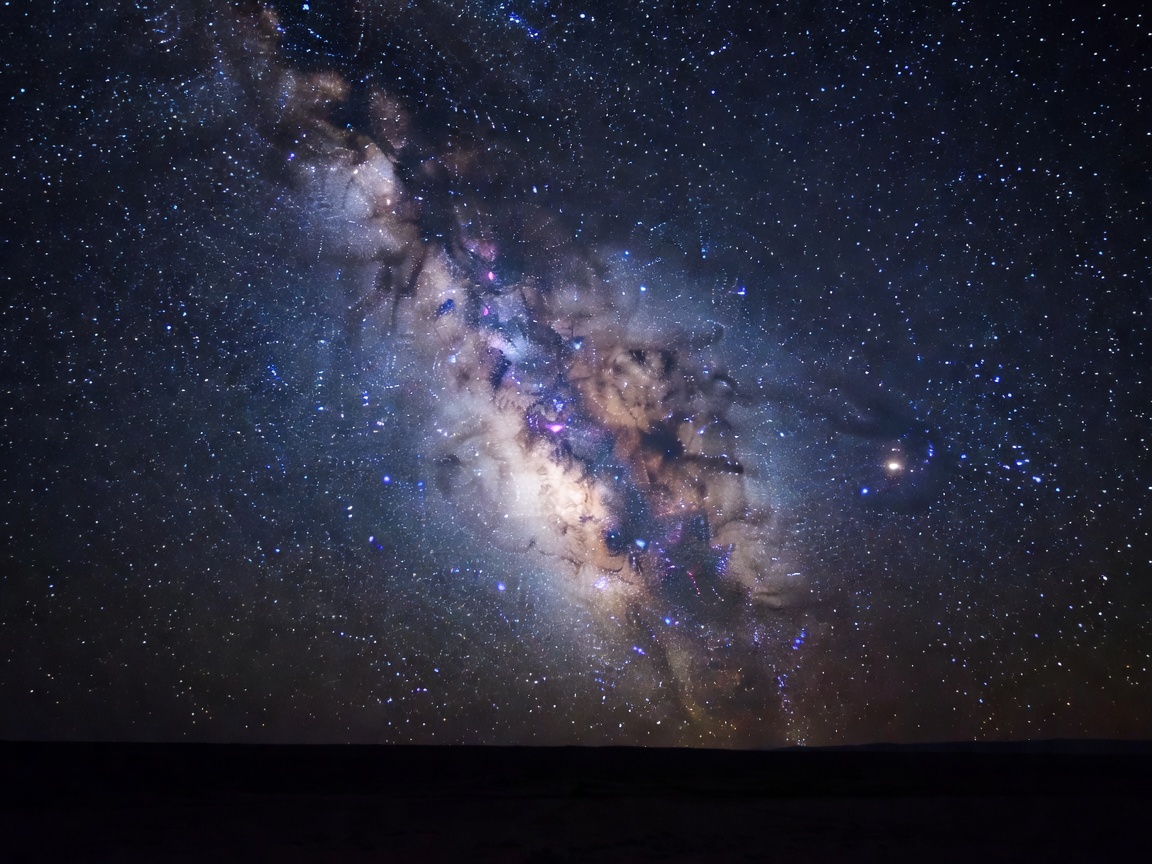
| Milky Way | 14–24 mm, f/1.8–f/2.8, ISO 3200, 15–25 s |
| Star trails | Many 30 s frames over 1–2 hours, stacked |
| The Moon | Telephoto, f/8, ISO 100–200, 1/125–1/250 s |
| Meteors | Wide lens, ISO 3200, 20 s, continuous shooting |
| Aurora | Wide lens, f/2.8, ISO 1600, 2–10 s |
The “500 rule” — 500 ÷ focal length (full-frame) — gives an approximate maximum exposure in seconds before stars trail. For modern high-resolution sensors, a stricter “300 rule” or the NPF rule gives sharper results. Use manual focus on a bright star with live-view magnified, and shoot RAW.
Best places & times
Compare Gold Tier reserves, desert observatories and aurora hotspots worldwide.
Explore dark-sky destinations